Where’s My Money? Season 6, Episode 1
Season Five of multi-award-winning podcast Where’s My Money? is back to shed light on the common money questions New Zealanders are asking.
enable.me partners with rova to bring this podcast to life and stimulate the conversation about finances with everyday Kiwis. Where’s My Money? follows the story of Reagan – a man chasing the Kiwi Dream but feeling stuck living month-to-month – and his discussions with the experts about what he may be doing wrong and how to fix it.
One man. One million dollars of debt. One podcast to find a way out.
For many of us 2025 was tough on our finances, but we’re beginning the new year with whispers of “green shoots” popping up in the economy.
GDP data, housing market forecasts, household spending, inflation, interest rates. There are a lot of financial buzz words flying about in the news and throughout social circles at the moment.
Where’s My Money? host Reagan White wants to get a clearer picture of the year ahead, so he’s invited two financial experts to discuss some of the economic headlines and asks them to answer some questions from everyday Kiwis.
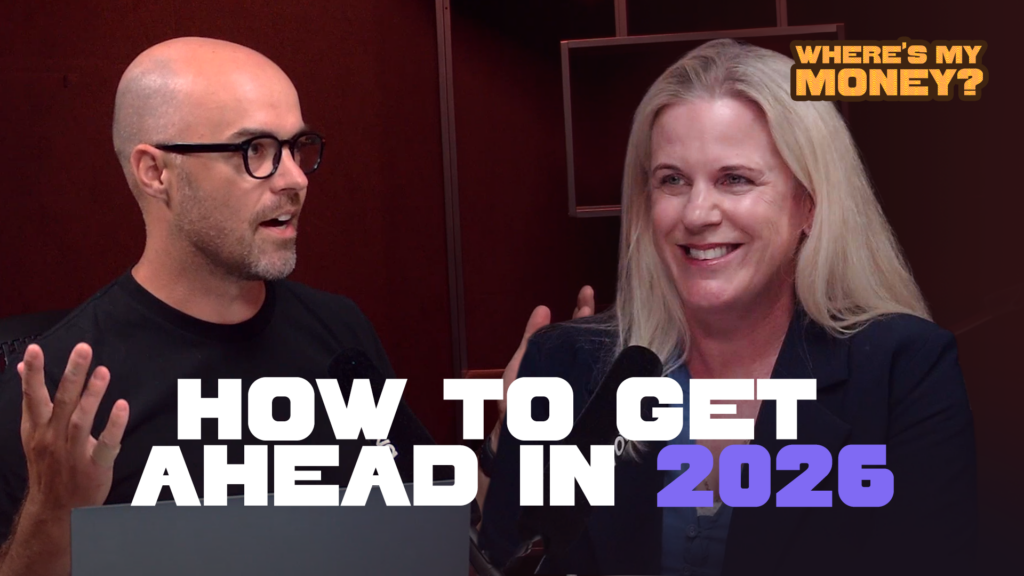
In this first episode of Season 6, he’s joined by Chief Executive and Principal Economist at Infometrics, Brad Olsen, and enable.me Head Strategic Coach Katie Wesney. They share their insights, breaking down what it might mean for your wallet in 2026.
Green shoots show growth, but they aren’t sunflowers
The main message that Brad is trying to get across is that economic recovery takes time – and isn’t always felt evenly.
He shares some of the ‘green shoots’, such as the “GDP data which was out at the end of the year for the September quarter, it showed a good rebound.”
And there’s been a slight uptick in job ads, household spending activity is increasing – though this doesn’t necessarily mean New Zealanders materially have more in their pockets at the end of the day.
Brad also warns listeners that we are “still coming out of a hole,” so the new growth is sprouting from a “dead wood,” rather than building upon past growth. There’s a long way to go before sunflowers grow.
Katie jumps in to remind us, “if you are waiting to sort your finances to invest until there are sunflowers, you’ve likely already missed the win of game.”
It’s important to have a strategic financial plan in place that suits your goals and timeframe, no matter the economic conditions.
Time and finances don’t wait for the sun to shine, and it’s not always the best idea for you to wait either.
“That’s why I love Kiwi Saver, because it’s that dollar cost averaging. You’re just doing it. It’s automated… So, you’re taking advantage of the lows,” Katie says.
“You’re still investing when it’s high. And, broadly speaking, you’re letting those compound returns serve you.”
Thinking long-term with your financial strategy hey aren’t sunflowers
Through the discussions we’ve begin with the Where’s My Money? podcast, and because we’ve been living through uncertainty, people are becoming more comfortable talking about money – and this is a great thing, Katie says.
“Because the fundamentals never change in terms of being good with your money, understanding your risk profile.”
“And if you understand those core concepts, you’re more likely to act. If you automate it, all the better. And again, it just means that your money works as hard as possible for you.”
Brad agrees, sharing the conversations he has with acquaintances, friends and family about finances. He emphasises the importance of asking the important questions and talking openly about things like KiwiSaver, and the risk settings of investments.
It’s another element of caring relationships – sharing knowledge and helping people think long-term about their finances rather than having a “knee-jerk reaction.”
Take action
No matter the levels of uncertainty in the world, or the ever-changing economic environment, it’s important to know your goals, have a plan, and feel prepared to take action to make it happen for you.
With 2026 being an election year, many people pause and wait for the results before they act on financial decisions. But it’s important to not let that be your excuse this year.
We’ll leave you with Katie Wesney’s wise words: “It’s never a perfect time to do anything.”
“So, knowing that, take action today and be consistent. Understand your goals and do something every day that gets you a little bit more ahead.”
Get the insights from Katie and Brad – and their answers to questions from everyday Kiwis – via the full episode below:
Disclaimer: The Where’s My Money? podcast and the information shared by host Reagan White and his guests does not constitute individual financial advice. If you’re interested in receiving financial advice, you can book a consultation with an enable.me coach. Costs apply.