There’s No One-Size-Fits-All Emergency Fund
You’ve probably heard plenty of rules about emergency funds, from having $1,000 set aside to saving three or even six months of expenses. But the right amount will look different for everyone.
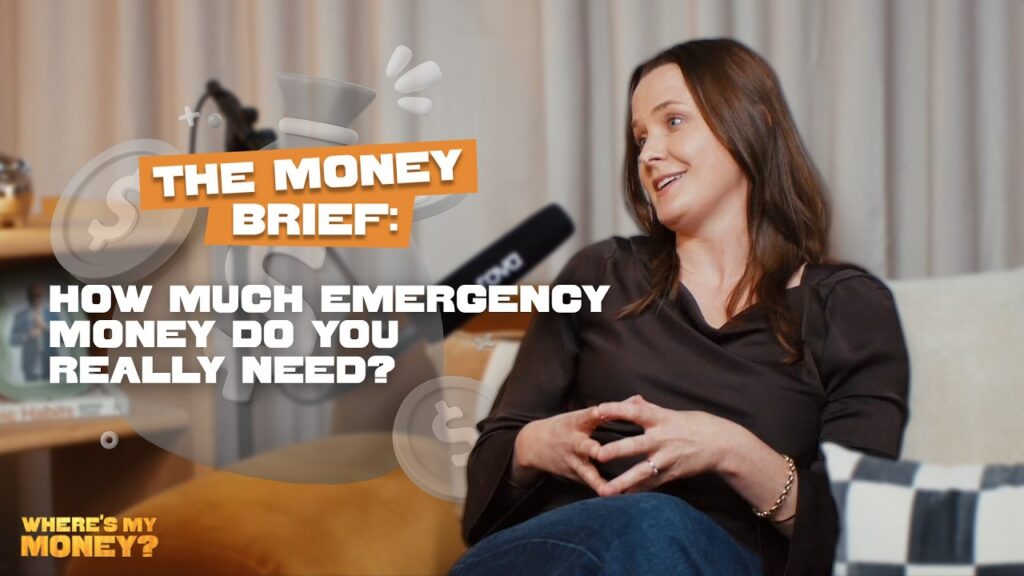
In this edition of The Money Brief, Reagan is joined by Rebecca from enable.me to unpack what can influence the size of your emergency fund and how you can start building one.
Start With Your Essential Expenses
Instead of focusing on how much you earn, start by looking at what it actually costs to cover your household’s essentials.
Think about things like your mortgage or rent, power and food rather than discretionary spending you could potentially reduce if your circumstances changed.
Then consider how secure your income is. A household with two stable incomes may need a different financial buffer from someone who is self-employed, earns commission or has a less predictable income.
Your responsibilities matter too. If you have a mortgage, children or other financial commitments, the amount you need to feel financially prepared may look different from someone with fewer commitments.
Start Small and Build From There
If you don’t have an emergency fund yet, the idea of saving several months of expenses can feel overwhelming. The good news is you don’t have to build it all at once.
An initial goal might be $1,000, giving you something to fall back on if an unexpected expense comes up, such as replacing a broken appliance, rather than immediately having to reach for credit.
From there, you can continue building towards an amount that better reflects your essential expenses, income stability and personal circumstances.
It’s also worth thinking about where your emergency money lives. Ideally, it should be somewhere you can access when you need it. Depending on your circumstances, that could be a savings account or, for some homeowners, an offset or revolving credit facility.
Ready to Build More Financial Resilience?
Having a financial buffer can help you feel better prepared when unexpected costs come up.
A financial consultation with enable.me can help you understand where you’re at, what you want to achieve and what your next steps could look like.
Watch the Full Episode
Watch the full conversation for more on working out how much you might need in an emergency fund, what can influence that amount and where you could consider keeping it.
Disclaimer: The Where’s My Money? podcast and the information shared by host Reagan White and his guests does not constitute individual financial advice. If you’re interested in receiving financial advice, you can book a consultation with an enable.me financial coach. Costs apply.